Irish Food Isn’t Bad. You’re Just Looking At It Wrong
Words: Tobi Ilori
Image: The Olde Glen Bar
Daisy Kelliher’s clip didn’t just take a swipe at Irish food. It dragged out a tired old hierarchy where potatoes mean bad food and fish and ratatouille mean good food. Grand so. Here are the bookings we’d hand anyone before they said it again.
That is not really a take on Irish food. It’s a take on what counts as “good food” in the first place. And to be honest, it’s a shallow old hierarchy dressed up as insight.
Because if potatoes are still the punchline, then we are not talking about cooking. We’re talking about class, aspiration and the tired idea that food has to sound more travelled to count. Irish food is not bad. People are just judging it by the wrong standards.
Start With Scéal
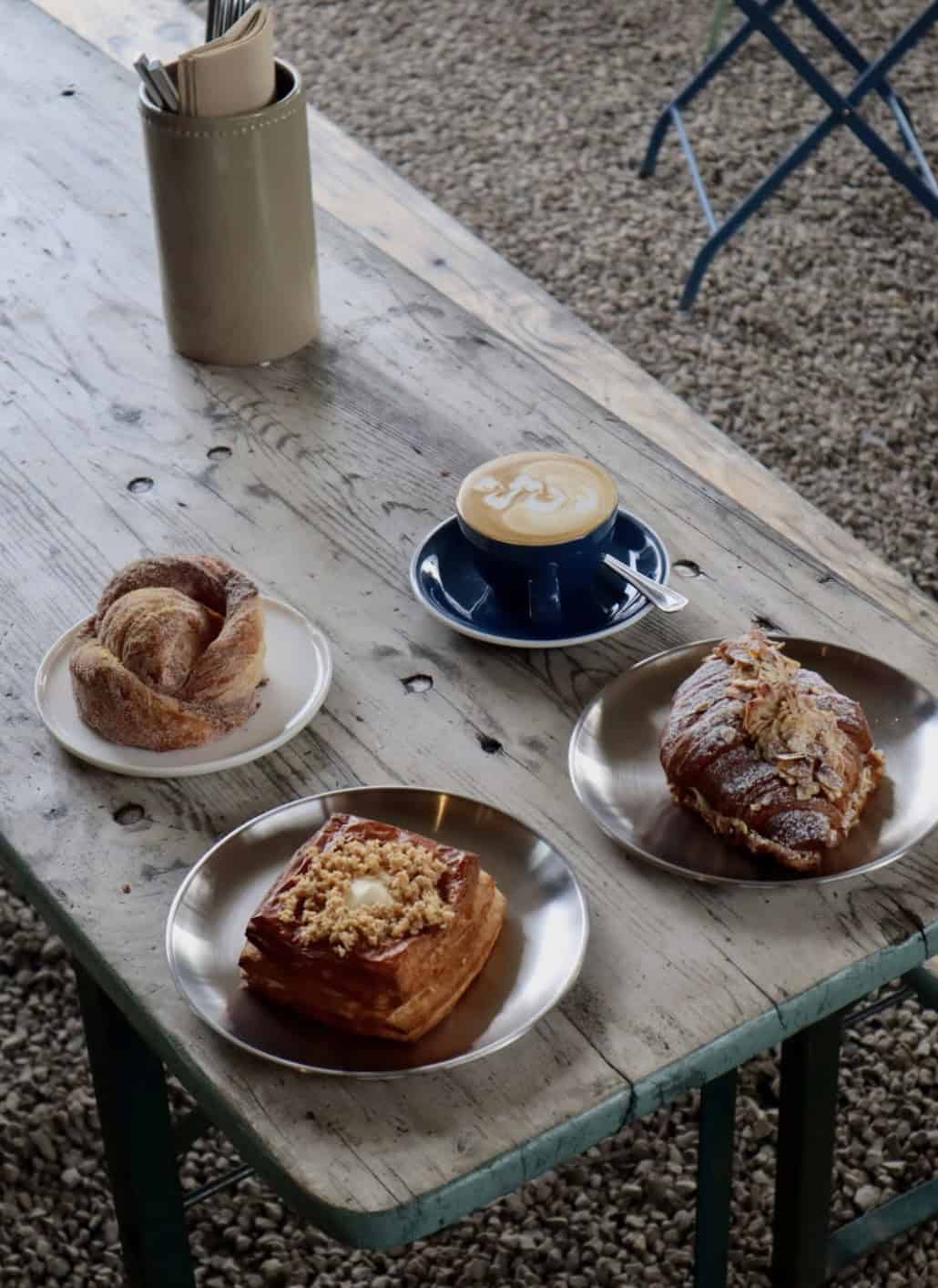
If someone still thinks Irish food is bad, the first stop should be Scéal.
Because once you have a place doing bread, butter, pastry and coffee this well, the conversation shifts immediately. You can still dislike whatever old idea of “Irish food” you have in your head, but now you’ve got to explain why a bakery like this exists in the same country.
That’s the thing people miss. Irish food does not always shout. It often appears in the quieter places first. A really good loaf. Butter that tastes of something. Pastry people are willing to queue for without needing a whole speech about it afterwards. Scéal makes the “Irish food is terrible” line sound flimsy very quickly.
Then Explain Goldie and Fish Shop
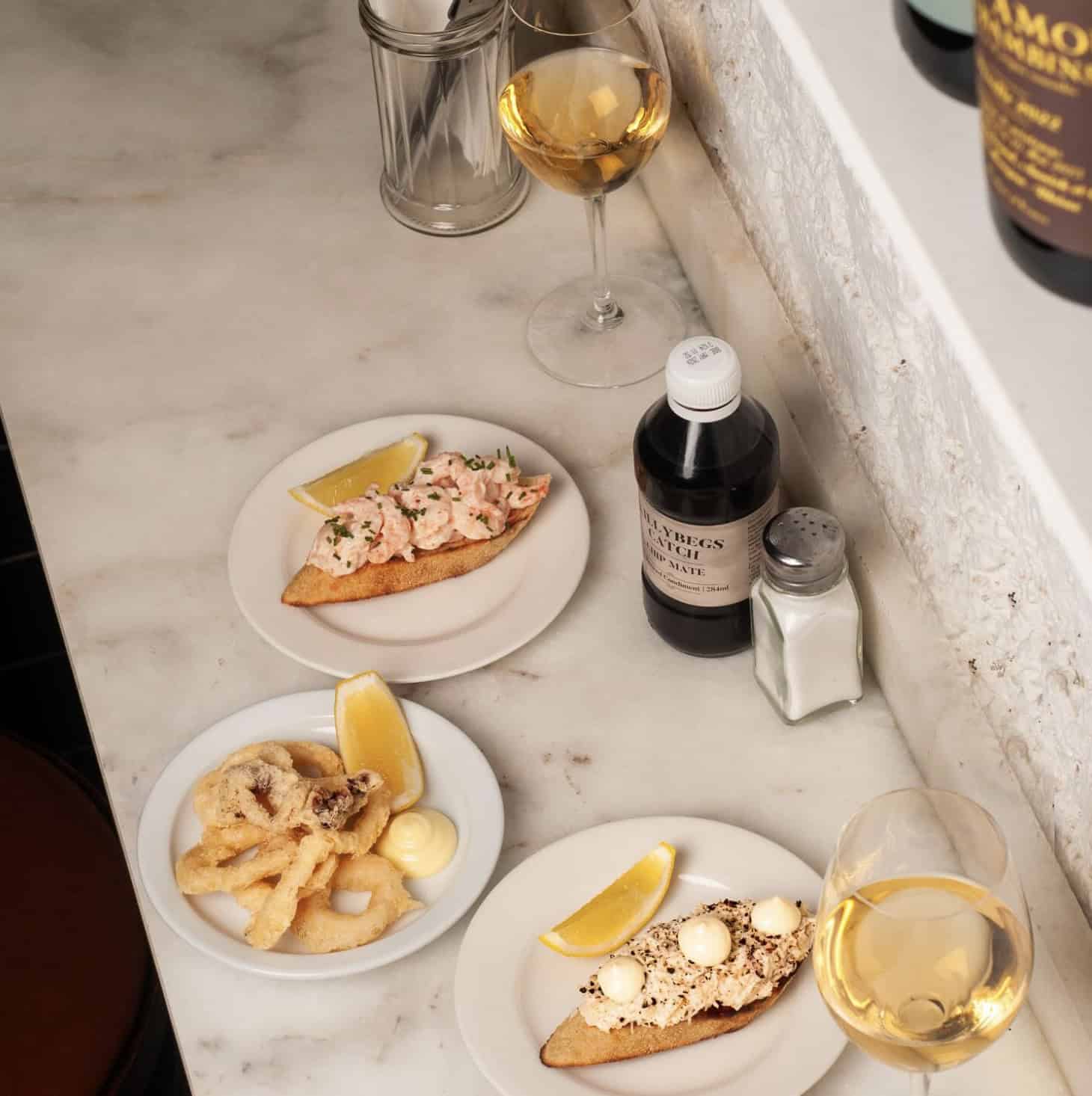
The fish part of the argument really does not stand up.
If you want to act like fish somehow belongs in the “good food” column while Irish food belongs in the bad one, then somebody is going to have to explain Goldie in Cork and Fish Shop in Dublin. Because both make that split look ridiculous.
Goldie is the sort of place that reminds you seafood here can be thoughtful, sharp and deeply rooted in place without turning into a performance. Fish Shop does the same in a more stripped-back way. Fresh fish, clean cooking, no drama. No one leaves either of them thinking Ireland cannot do seafood. And if they do, that is no longer a food problem. It is a them problem.
We are literally surrounded by water. If someone still thinks Irish people cannot cook fish, they have not been paying attention.
Kai and the Quiet Confidence of Good Food
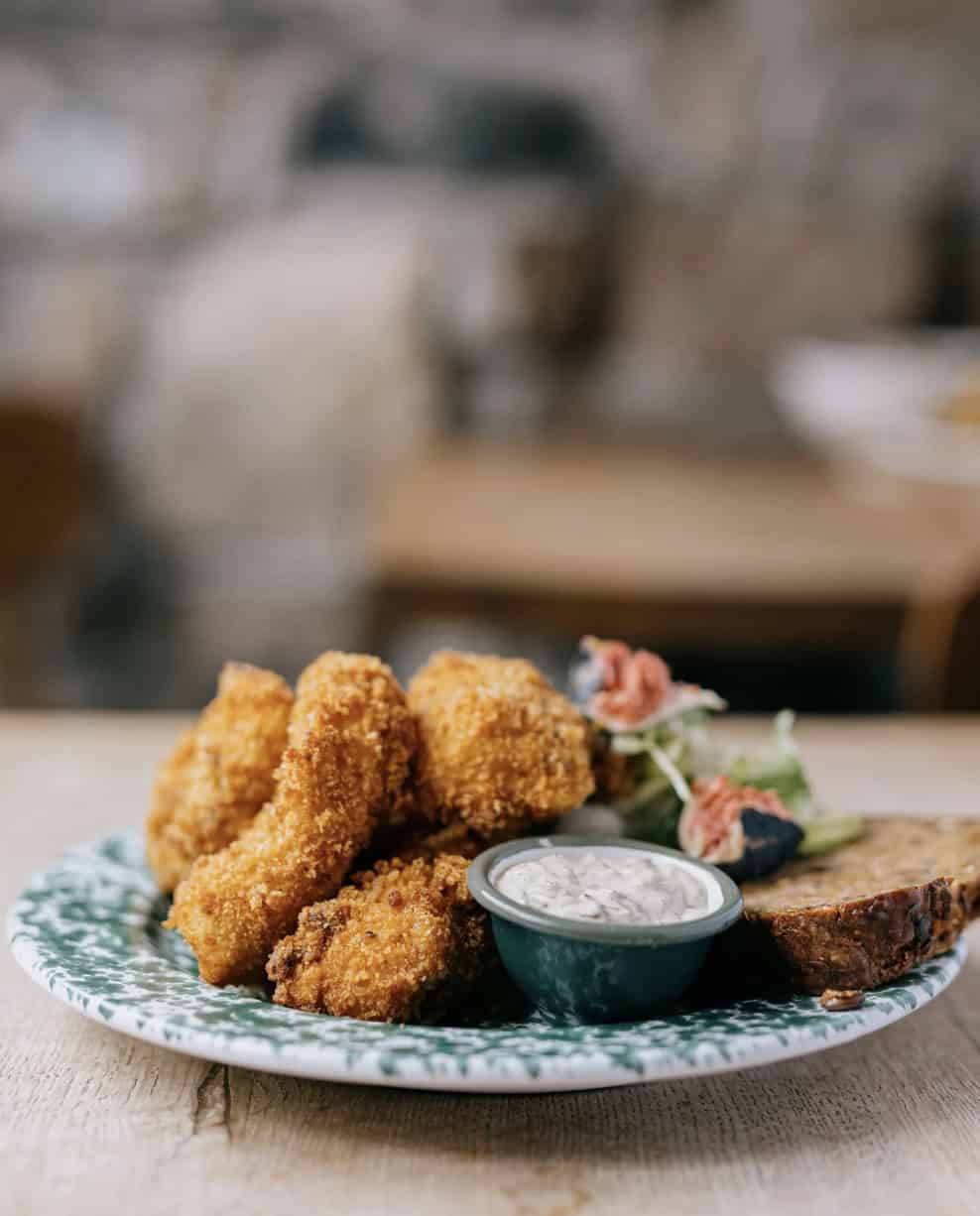
Kai is useful in this argument because it proves another point.
Irish food does not need to cosplay as somewhere else to be good.
That is what places like Kai understand so well. It is rooted in local produce, local suppliers and a style of cooking that feels grounded rather than performative. Nothing about it screams for attention, but everything about it knows what it is doing. Which, in the end, is more convincing than any amount of trend-hopping or imported polish.
This is where a lot of lazy takes on Irish food fall apart. Not because every plate needs to be turned into a national symbol, but because some of the best food here is confident enough not to over-explain itself.
If You Want Serious Food, Book Aniar and Variety Jones
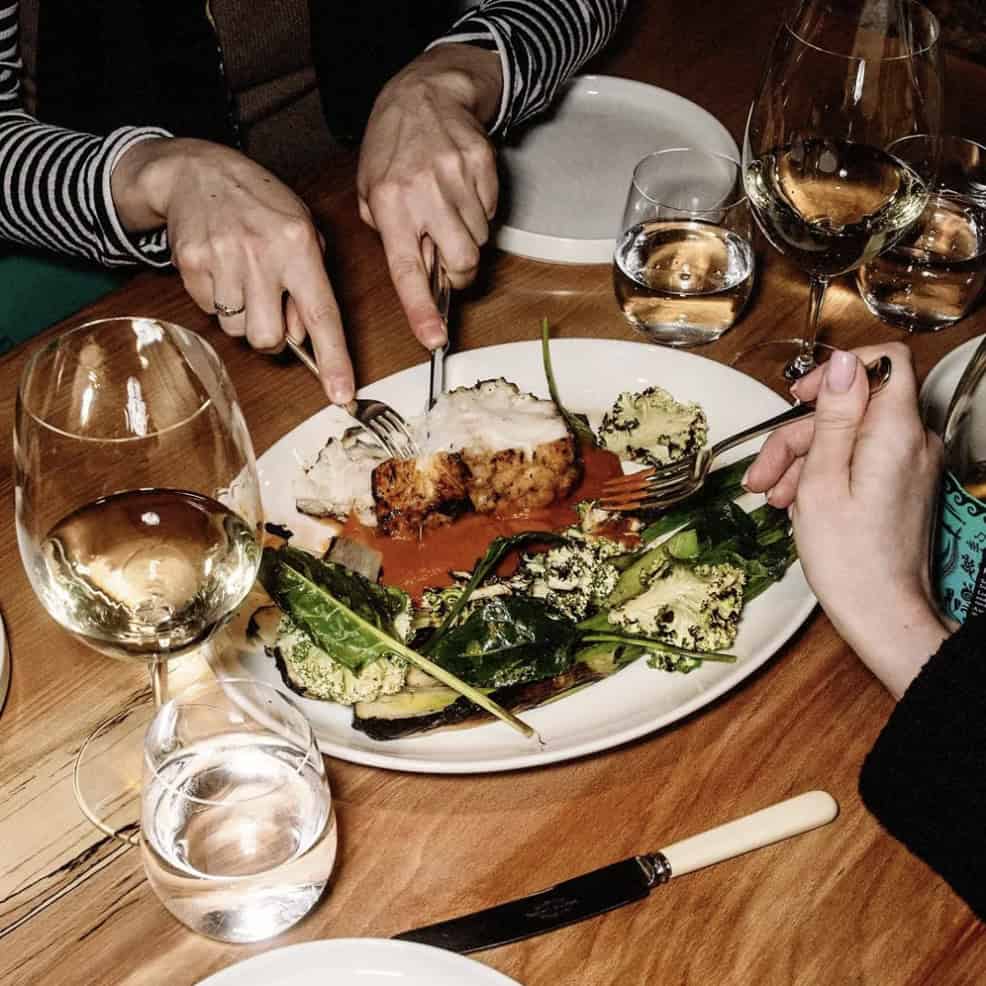
There is also a certain kind of person who says Irish food is bad when what they really mean is that they think it lacks ambition.
That is an easy one to deal with.
Book Aniar. Then book Variety Jones. Then come back and explain yourself.
Aniar is built around the west of Ireland, wild ingredients and a very clear sense of place. Variety Jones has spent years proving that serious restaurant cooking and Irish produce can sit in the same room without any trouble at all. Neither place is trying to apologise for being here. Neither is trying to mimic somewhere else. And both are making food that completely blows up the idea that Ireland lacks range, confidence or technical ambition.
So if the issue is that “Irish food” does not sound glamorous enough to some people, that sounds like a wording problem rather than a cooking one.
And If All Else Fails, Go to Sheridans
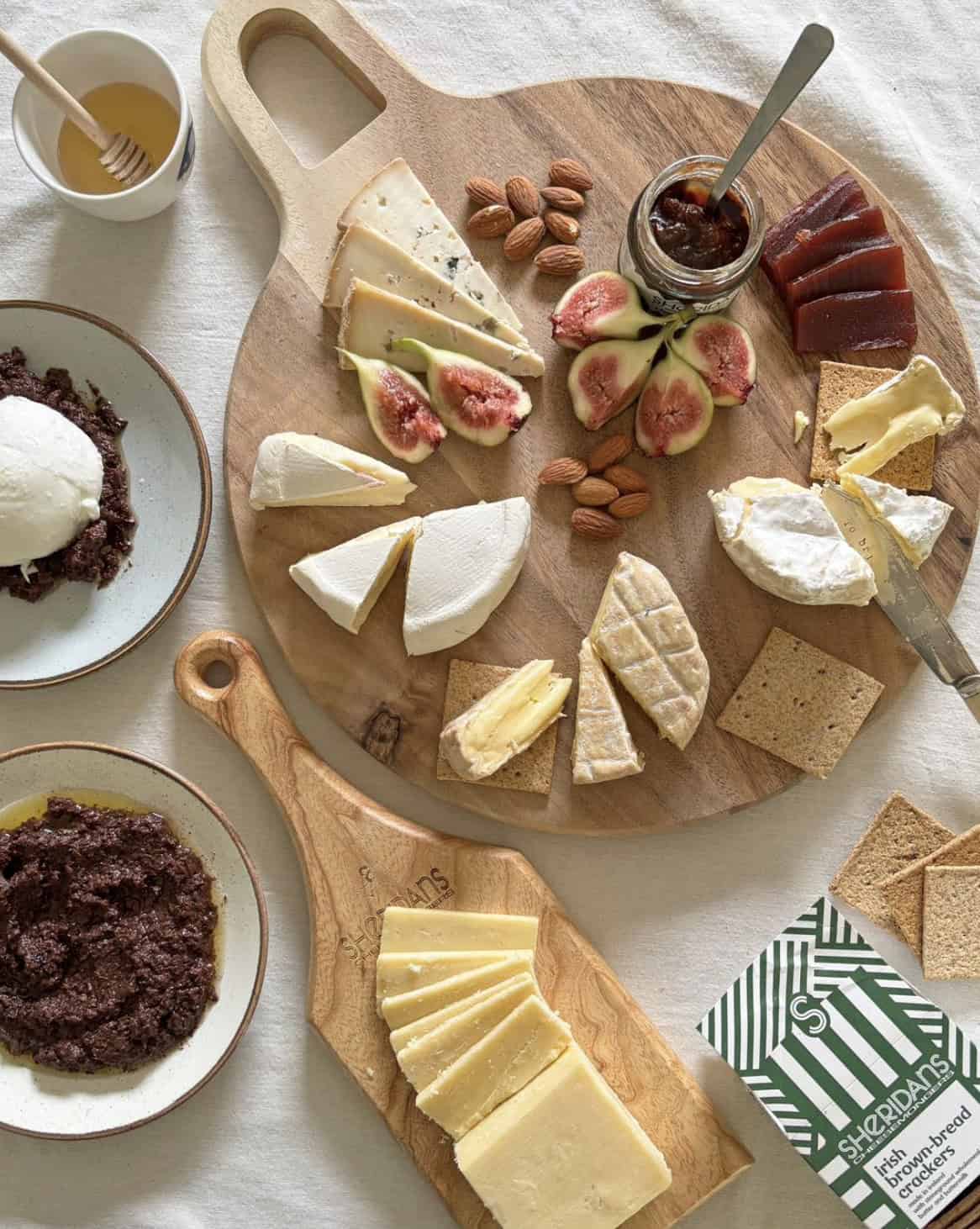
Not every argument has to end in a tasting menu.
Sometimes one cheesemonger is enough.
Sheridans is useful because it strips the whole thing back to basics: dairy, bread, cheese, good things handled properly. And that matters, because some of the best parts of Irish food culture live in those quieter pleasures rather than the flashier end of things.
Good food does not always arrive with smoke, tweezers or imported mythology. Sometimes it is a wedge of cheese, a loaf of bread and someone knowing exactly what to put beside them. That still counts. More than counts, actually.
If someone cannot recognise food culture in that, the problem is no longer the quality of the food. It is the limits of their imagination.
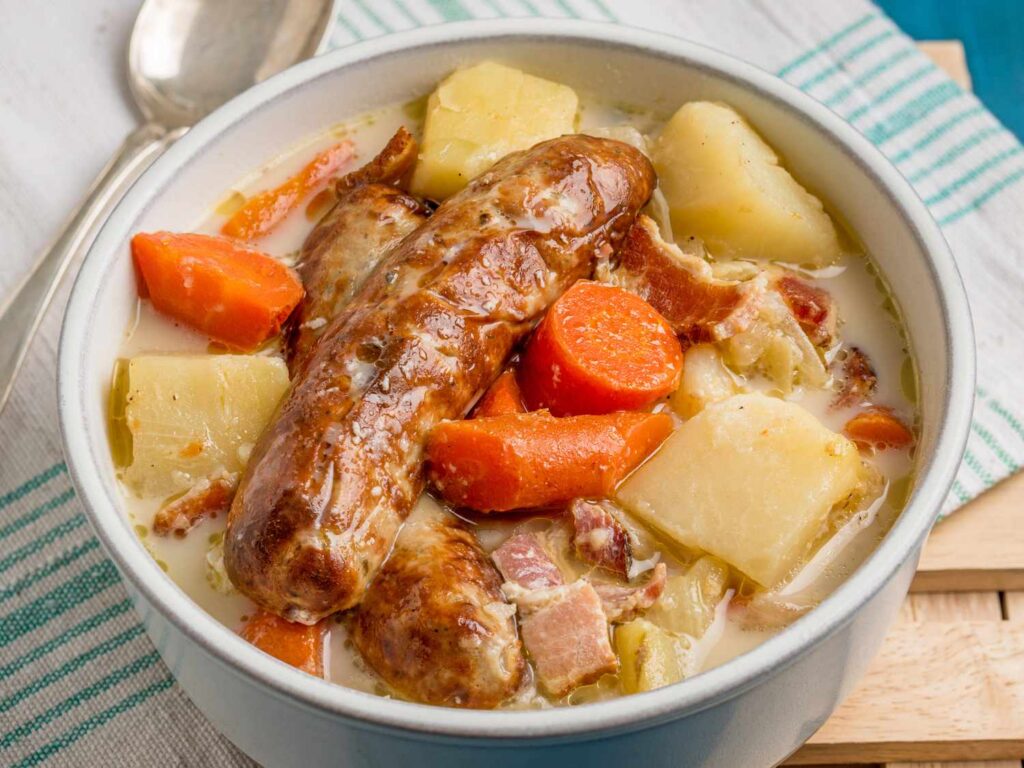
You can dislike coddle and still be wrong about Irish food.
You can be bored by cabbage. Fine. You can have no interest in stew. Also grand. Nobody is asking for a patriotic defence of every traditional dish ever served on this island.
But calling Irish food terrible in 2026, after Scéal, Goldie, Fish Shop, Kai, Aniar, Variety Jones and Sheridans, is not a sharp opinion. It is just old information with a bit of attitude behind it.
Irish food does not need to be louder to count as good. It does not need to be more imported, more “travelled” or more obviously expensive to qualify.
It just needs to be seen properly.
And if someone still says it is bad after all that, fair enough.
Hand them the bookings. Then leave them to it.