
Char’s Guide to the Michelin Guide Awards 2026

Words: Maggie Fagan
Hero Image: George Voronov
In what we’re calling a monumental day in Irish food history, Dublin is hosting the Michelin Guide 2026 awards and here at Char we couldn’t be more jazzed about it.
We’ve teamed up with Square to dive a bit deeper into all things Michelin, complete with a couple of predictions on who might take home the coveted stars this year around Ireland and Great Britain. To discover how Square helps great Irish restaurants like these, click here.
The History
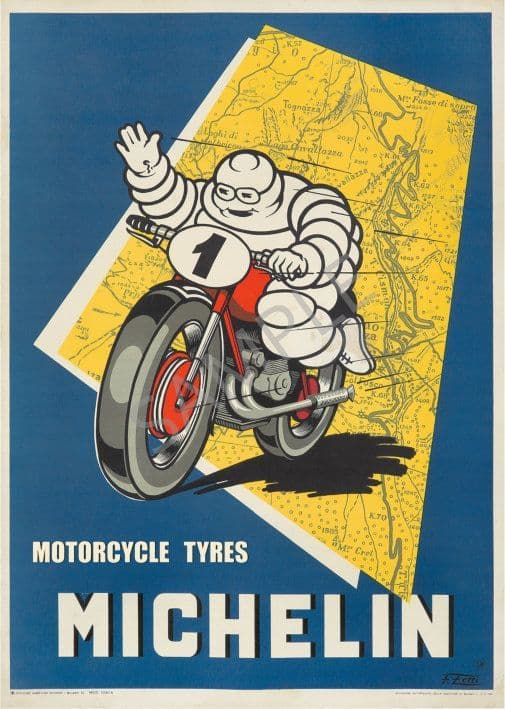
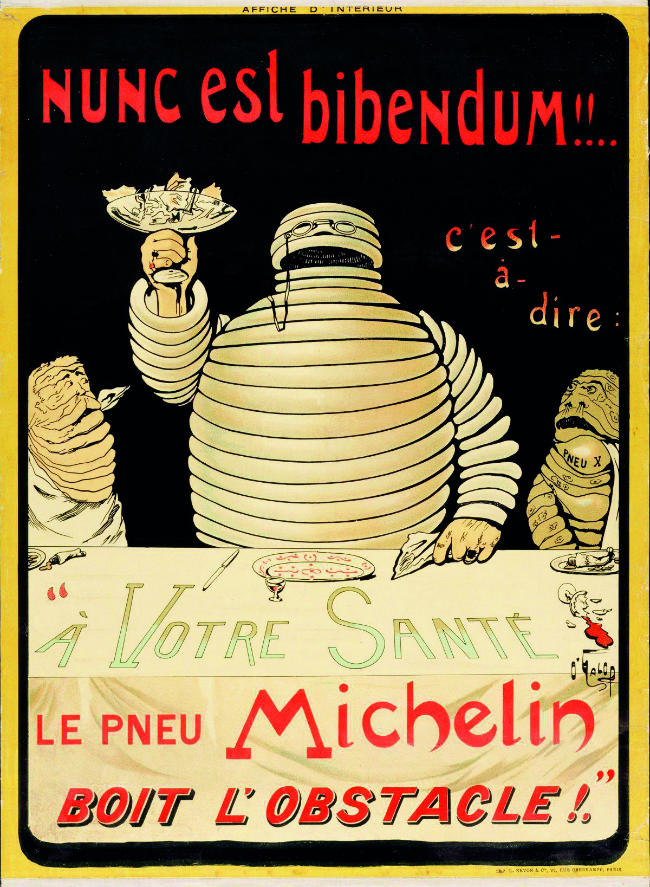
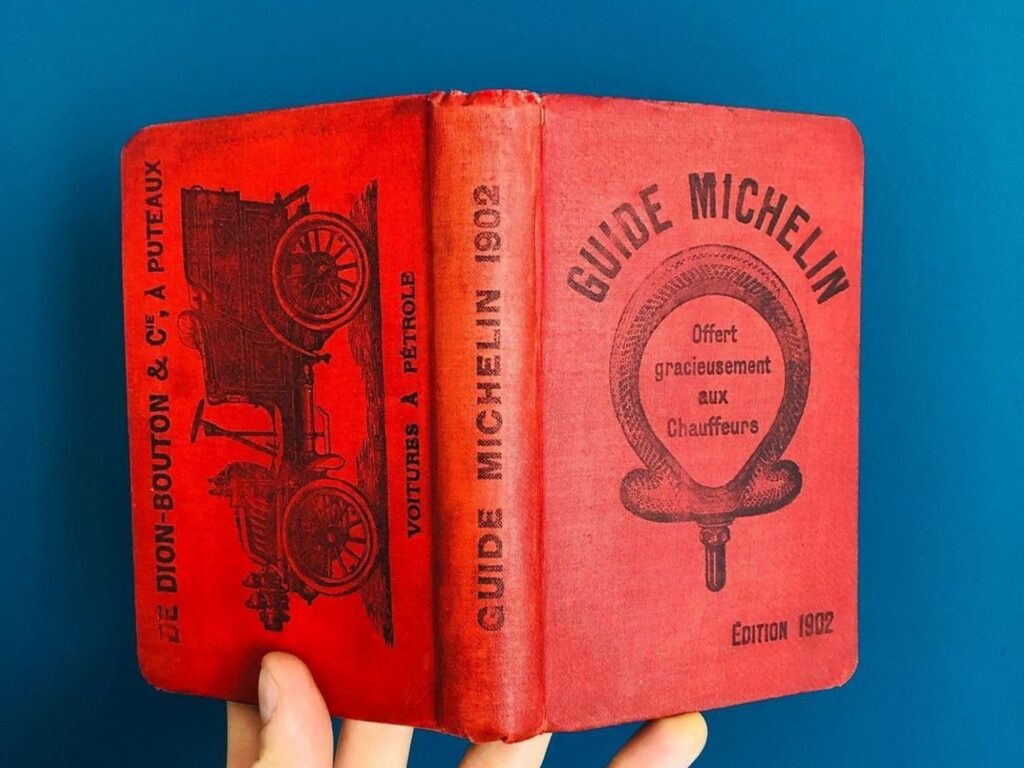
In 1900, there were less than 3,000 cars on the roads in France. Brothers Édouard and André Michelin were tyre salesmen who took it upon themselves to increase this modest number in the hopes of selling more tyres. They wracked their brains for ideas to boost sales and came up with the creation of the Michelin Guide, a handy-dandy pocket guide outlining the best hotels and restaurants in the country. This whacky little business plan spawned the most unlikely collab of the century. It’s absolutely bonkers to think that a tyre company’s guidebook became the gospel that restaurants and diners subscribe to around the world.
I once thought my dream job would be a Michelin inspector. Just imagine that lifestyle for a second – jetting off around the world, (definitely not via Ryanair), racking up the air-miles, and waking up in new city each day. The.literal.dream. Then I read a job post from circa 2018 which referenced that a successful candidate is required to make a minimum of 275 inspection meals, sleep in 160 hotels, and travel 39,000 kilometres each year. Too much of a good thing could no doubt lead to burnout and, most likely, a hefty dose of gout.
Notoriously shrouded in mystery, the Michelin Guide’s inspectors need to possess a “concrete expertise coupled with specific skills” which all sounds a bit Liam Neeson. Inspectors often dine alone, using a pseudonym, and pay for the bill in full without revealing their motives, giving the impression to the restaurant that they are just a typical customer in order to accurately judge each spot.
The Process
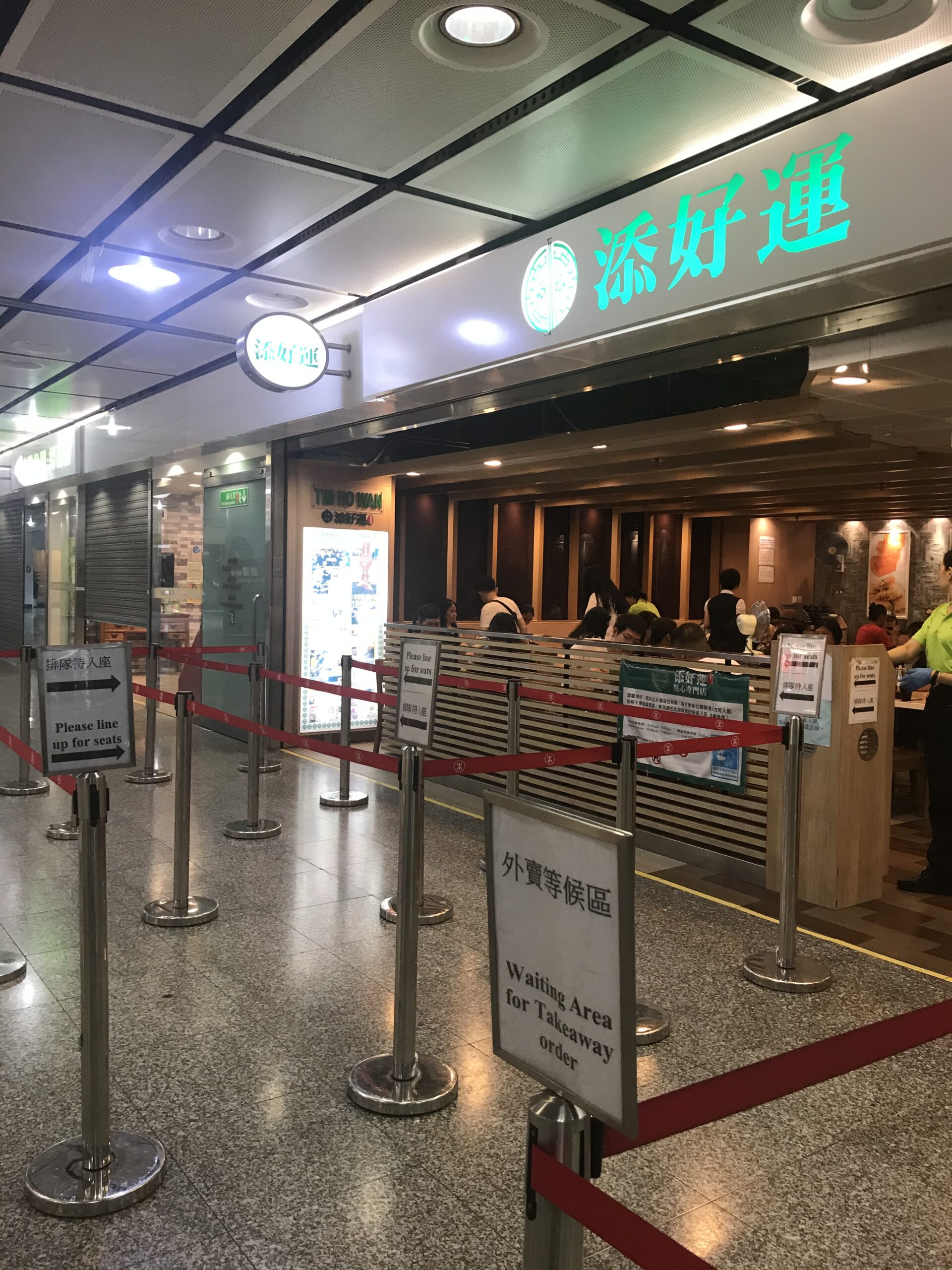
The Michelin folk look for five key things when out on a scout, namely: the quality of ingredients; the mastery of culinary techniques; the balance and harmony of flavours; if any personality from the chef comes out in the food; and general consistency, throughout the entire menu and across multiple visits. This is essentially their shopping list to help judge everything on a level playing field, whether it’s a train station Dim Sum spot in Hong Kong or a stuffy white linen tablecloth restaurant in a five star hotel.
When judging a restaurant, inspectors do not take things like service, wine lists, or decor into account. Stars are awarded for food alone- which does feel like a bit of a surprising fact. Historically, stars were found only in the fanciest of formal restaurants. Times appear to have changed, with street food spots possessing stars, like the iconic Jay Fai in Bangkok.
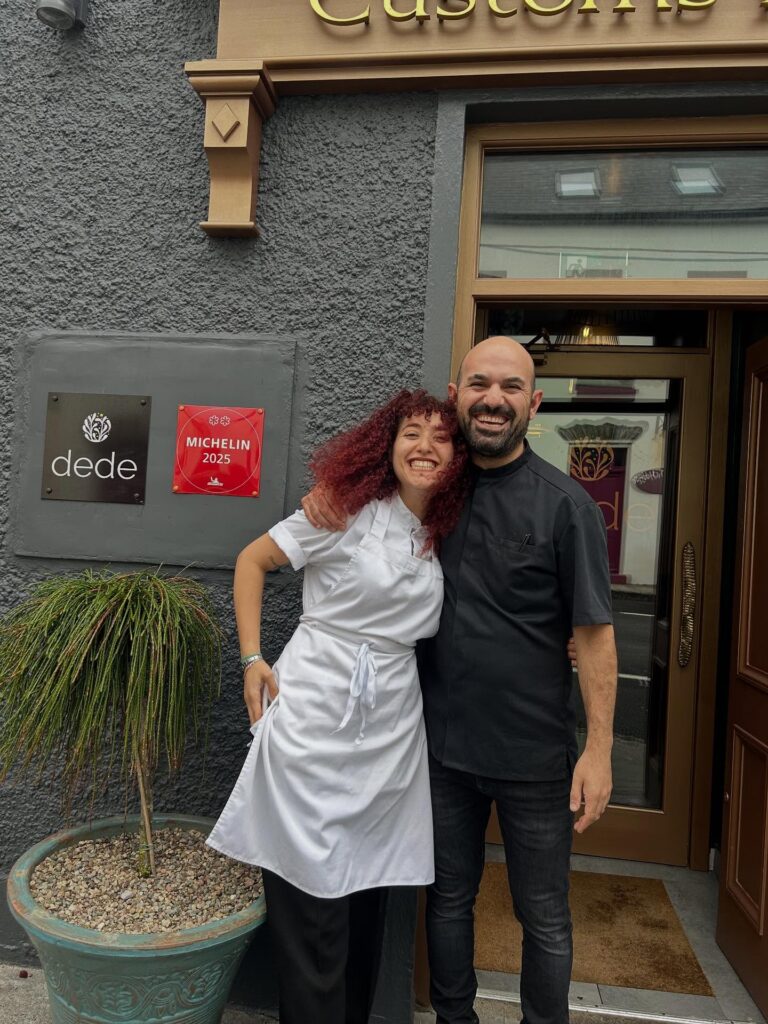
One star is all well and good, but two stars is where things start getting serious. We recently took a trip down to West Cork, where Chef Ahmet of Dede at the Customs House Baltimore told us that having two stars has really put him on the “global map”. Since gaining the second star, he now gets visitors to his very remote restaurant from the likes of “New York, Istanbul, Paris, Dubai, and Abu Dhabi”. It’s an incredible accolade to have. Currently, the island of Ireland holds 18 one stars (3,083 worldwide), five two stars (525 worldwide), and zero three stars (157 worldwide), so you can see just how tough the global competition is.
The Ratings
The Michelin star criteria have changed a little over the years, most likely in their recent efforts to become more relevant in this Gen-Z-Labubu-brainrot shaped world we live in. Here’s where they currently stand:

Previously: “A very good restaurant in its category”,
Now: “Recognises restaurants that use top-quality ingredients and prepare dishes with distinct flavours to a consistently high standard.”
Previously: “Excellent cooking, worth a detour”.
Now: “Where the team’s personalities and talents shine through in expertly crafted dishes, with food that is both refined and inspired”
Previously: “Exceptional cuisine, worth a special journey”.
Now: “Represents our highest honour. We award Stars to restaurants, not chefs, but Three-Star establishments tend to have chefs at the peak of their profession, where the cooking elevates the craft to an art form, with some dishes destined to become classics.”
The guide has clearly moved from their original ethos of getting diners to burn rubber, to discovering the personalities of chefs around the world.
Apart from the stars, and simply being listed on the guide, The Bib Gourmond is also up for grabs – Michelin’s “award for great value that highlights simple yet skilful cooking at an accessible price.”
This year, Dublin has the absolute pleasure of hosting the awards for the UK and Ireland – a big win for a country which is sometimes (and wrongfully) written off for bland and boring food. Could this be the year that Ireland is finally recognised as a culinary destination?
The Predictions
1 Star:
Amai by Viktor – Dublin City
Brazilian chef Viktor Silva and general manager Alex Radu joined forces after working together at Bang, and opened up this tasting menu haunt less than a year ago. Located above the Corkscrew just off Grafton Street, the space is stunning, the service near perfect, and the food has all the dots, foams, and garnishes that scream classic Michelin star.
The Pullman – Kentfield, Co. Galway
Former Noma chef (need we continue?) Angelo Vagiotis leads the kitchen in this two carriage Oriental Express train at the Glenlo Abbey Hotel. Their tasting menu ain’t cheap at €150 a pop which no doubt catapults them into the star stratosphere.
Uno Mas, Dublin City
Its popularity amongst Dubliners has basically become a meme. Could this be Uno Mas’ year? Their Spanish inspired plates, sherry cocktails, and slick service never disappoints. It’s no wonder it’s virtually impossible to get a table here. Our only wonder is whether the inspectors will love it just as much as the people of Ireland do.
The Glass Curtain – Cork City
Cork City is an absolute hub for good food, with the Glass Curtain being an active contributor. Their sharing style menu is a stunner, the snacks a highlight, and their blue cheese dirty martini is not to be missed. The Guide describes their kitchen to have a “pared-back approach that frequently pays dividends, thanks to the quality of the ingredients”. If they don’t get a star, they deserve one.
2 Stars (Up from 1):
Lignum – Bullaun, Co. Galway
The Irish Times are calling it “the most exciting Irish restaurant, from a young team, in years”, Lignum has real Chef’s Table energy. The Guide mentions that their “wood-fired cooking lends a delicious smoky dimension to the creative dishes, which – informed by the chef’s heritage – blend ingredients from Ireland (such as sweet lobster tail) and Italy (Amalfi lemon)”. Reading that makes one think that they’ll have no bother popping another star onto their chefs hats.
Anair – Galway City
J.P. McMahon is a trail blazer for Irish food, and his fully Western Irish menu (the only thing non native that’s served is the wine) is a very special experience indeed. It’s what we’re calling the most immersive dining experience in the country, with poetry served alongside some of the courses.
The Oak Room – Adare, Co. Limerick
The first restaurant in Limerick to be awarded a star, The Oak Room in Adare Manor is at the top of their game. The Guide describes them as having “the best quality produce around, along with some decadent touches”. We wouldn’t be at all surprised if these guys join the two star world.
To discover how Square helps great Irish restaurants like these, click here
We’ve teamed up with Square to dive a bit deeper into all things Michelin, complete with a couple of predictions on who might take home the coveted stars this year around Ireland and Great Britain. To discover how Square helps great Irish restaurants like these, click here


